.png)


My Favorite Hidden Gems of Portugal
- Louise Jamieson
- 8 hours ago
- 5 min read

In all the years that I have been travelling, this is the first time I have ventured into Portugal, and I am surprised at what an amazing country it is. The food, the people, the landscape, the architecture, and the history overwhelmed me and have made me want to go back for more.
In my recent travels, I have highlighted the following towns that stood out for me as definitely my favourite gems of the country.
Belém, Lisbon

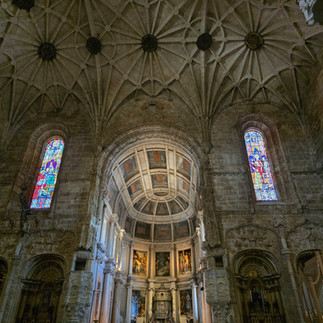

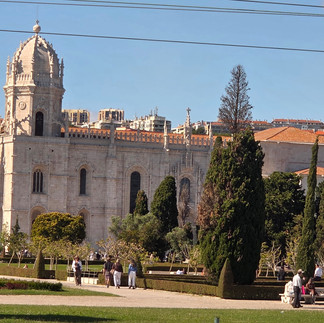


Lisbon’s beauty has captivated people from around the world for centuries. It’s spread out between hills, the Atlantic and the shores of the Tagus River. It has beautiful beaches and such interesting hinterland that makes it well worth spending at least a week there.
Experience the sight of brightly coloured trams travelling swiftly through tree-lined boulevards.
Belém sits by the Tagus like an open doorway to the world, Lisbon’s riverfront where stone and sea once shared the same horizon. Today, you discover the district of Belém, home to the Jerónimos Monastery, a UNESCO World Heritage site, and it’s hard not to feel the hush of history in the air. This is the Lisbon that lingers: elegant, symbolic, and quietly magnificent, as if the city is still watching the water for sails returning.
Such a bustling city was resurrected after the devastating earthquake and tsunami of 1755 that destroyed many buildings and killed many of its citizens.
Today, the rebuilding of old sites continues, with amazing new structures replacing damaged ones. Some are meticulously restored, and others are very modern but blended in with the old.
Today, the city is filled with great shops, cafés, churches, and monuments, and is vibrant and colourful.
Óbidos

Óbidos doesn’t so much welcome you as enchant you, with the walls rising protectively around a town that seems to have stepped out of a legend. Entering through an archway, you will be immersed in the medieval magic of this small town, where every narrow lane feels like it was designed for wandering slowly. It’s the kind of place where the past isn’t locked in a museum; it’s underfoot, sun-warmed, and present in every curve of stone.
Everywhere you look, the town presents a new and stunning glimpse of another street, a shop tucked away in a corner, a church hidden behind a tree, and a quaint accommodation venue all tucked away inside the high battlements.

With its history going back to the 8th century, the different additions have continued over the years,
including repairing damage from the widespread earthquake of 1755.
I could have stayed for days, as I only got a snapshot of the incredible gift shops that adorned the streets and the quaint wine bars that begged you to go inside and try some of their cherry port.
Lamego

Leaving Régua on the edge of the Douro River and travelling inland, Lamego is a town that knows how to make an entrance, because above it stands devotion and drama in perfect balance. Houses are intertwined with each other, backyards are filled with vegetable gardens, row upon row of grapevines, and the surrounding hills are filled with olive, almond and fig trees. The area is renowned for its wine, port wine, liqueurs and food.
This marvellous Baroque village is nestled amongst the hills in the heart of the Alto Douro River Wine Region and was designated as a World Heritage Site in 2001. Lamego is crowned by the Shrine of Our Lady of Remedies Sanctuary, a structure that stands gracefully over the town. And if you’re feeling active, there’s a storybook descent: an invigorating walk down the 9 terraces with 686 steps from the Sanctuary to the main square, as the town slowly rises to meet you.

Bustling with weekly markets, the locals come out to trade their excess fruit, vegetables, animals, flowers and plants. It’s a meeting place that integrates perfectly with the amazing food vendors, patisseries, cafés, gourmet providores and gift shops that surround the square and fill the avenue leading to the town’s municipal buildings and iconic monuments, as well as the castle and cistern.
I only had limited time in this beautiful town, but I wish I could have stayed longer. Making your way down the terraces from the church is a must. They are surrounded by an old forest of trees that add to the spirituality and tranquillity of the town. The proud inhabitants have many great stories to tell of the good old days and growing up in the area as children.
Castelo Rodrigo


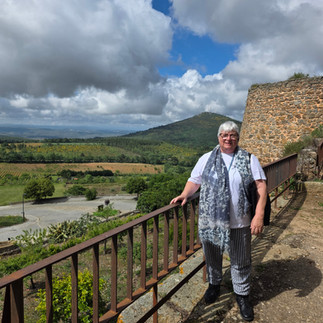
Castelo Rodrigo feels like a secret kept by the hills. A small, fortified place where history is not an idea but a footprint. Arriving at the charming medieval town of Castelo Rodrigo through its only open entrance, you have the chance to uncover the secrets of this small village’s fortress and history. It’s quiet, weathered, and proud, one of those villages where the stones seem to remember every watchful century. Remnants of the original battlements have been shored up by houses and sheds that have enabled the majority of the walls to stay intact.
Founded in the 6th century and completed some 6 centuries later, the castle was used as a fortress to defend the surrounding countryside. The view from the top of the hill is stunning and gives you a good 360-degree vista of the fields and farms of the area. Still inhabited by residents and shopkeepers inside the castle, I was fascinated by the ingenuity of the craftsmen and stonemasons building the castle. So resourceful and amazing that, after all this time, it delighted me with its maze of crooked streets, unusual use of space and, of course, its beautiful church nestled inside the walls.
Nazaré
Nazaré arrives with the Atlantic in its lungs, salt, wind, and a sense of timeless routine shaped by the sea. Following the coast, you reach the enchanting town of Nazaré, known for its traditional fishing culture. It’s a place where the ocean is never just scenery; it’s the town’s heartbeat, restless, generous, and always close enough to hear.
With one of the few beautiful sandy beaches you will find in Portugal, the local fishing boats are lined up on the shore, ready for the next day’s fishing. Women were busy on shore slicing up the day’s catch and placing it on wire racks to dry in the salty sea air.
The bustling promenade along the shore was full of gift shops, cafés, ice creameries, and fishing tackle shops. There is plenty of accommodation available, and a couple of nights in this town of fishermen would make any trip to Portugal worthwhile.


Portugal is well worth visiting. The countryside reminds me of Australia as you travel past the eucalyptus plantations, but it smells like pine nuts, is covered in miles and miles of vineyards, and has highly terraced hills using the dry rock walls left over by the Romans. Steeped in history, my favourite Hidden Gems of Portugal will keep you entertained for days. I hope that you can at least visit some of them if you go into the country.


Amazing place! ❤️